Class Notes – Fall 2022
News, notes and updates from UNM Alumni...

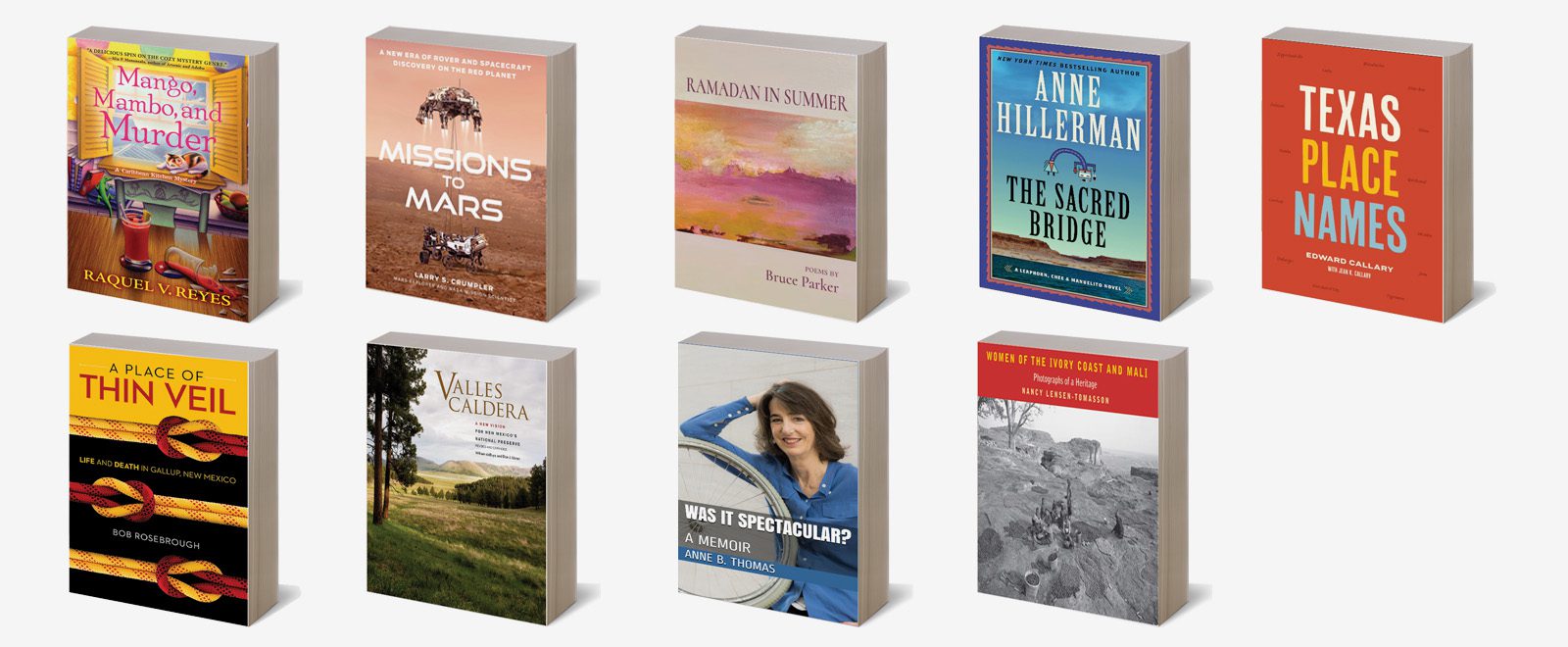
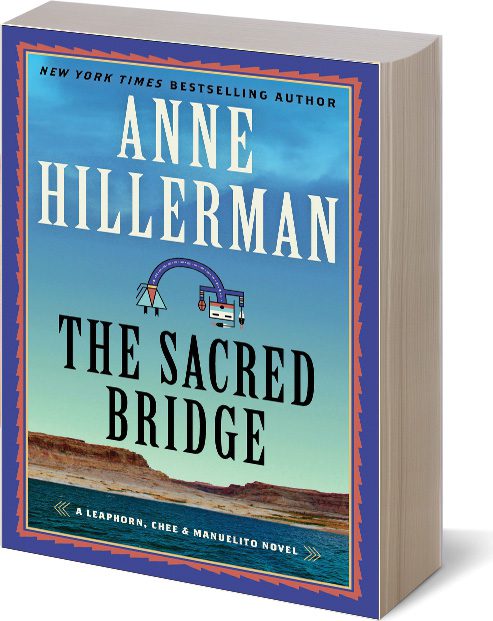
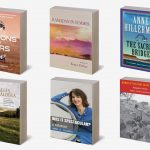
Anne Hillerman (’72 BA), who took up the Chee-Leaphorn mystery series after the death of her father, Tony Hillerman, brings the series into the serpentine coves of Lake Powell and the modern challenges of the COVID-19 pandemic and the marijuana industry in The Sacred Bridge (Harper, 2022). Lt. Leaphorn is still retired and suddenly acting frisky; Jim Chee is second in command at the Shiprock District of the Navajo Nation Police and wondering if it’s time for a change; and Bernadette Manuelito, his wife, is contemplating becoming a detective. The Sacred Bridge has everything a fan of the series could want: parallel plot lines with danger galore, side trips into Diné history and culture; and the deepening relationship between Chee and Manuelito. Yes, it’s a page turner, but it also offers the frequent surprise of perfect little sentences like this: “Driving another man’s truck felt odd, like wearing another person’s shoes.”
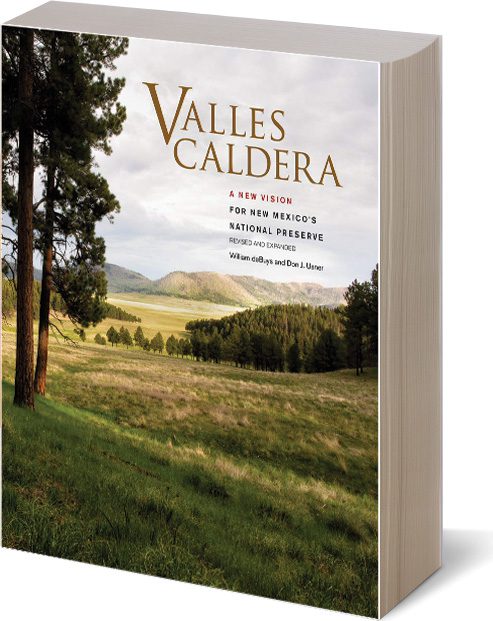
Don J. Usner (’91 MA) has been carrying on a love affair with the Valles Caldera in northern New Mexico for years. Usner, a photographer, brings his cameras to the special place every chance he gets and has documented the landscape through the years, seasons and change in land ownership. With author William deBuys, Usner published Valles Caldera (Museum of New Mexico Press) in 2006. Since then, the nearly 90,000-acre former ranch has become a part of the National Park Service and named Valles Caldera National Preserve. With a new preface, this revised and expanded edition is filled with photographs of the stunning 13-mile wide bowl created by a volcanic eruption more than a million years ago. The reverence Usner and deBuys hold for the land is imbued in the more than 200 pages of this large format book.
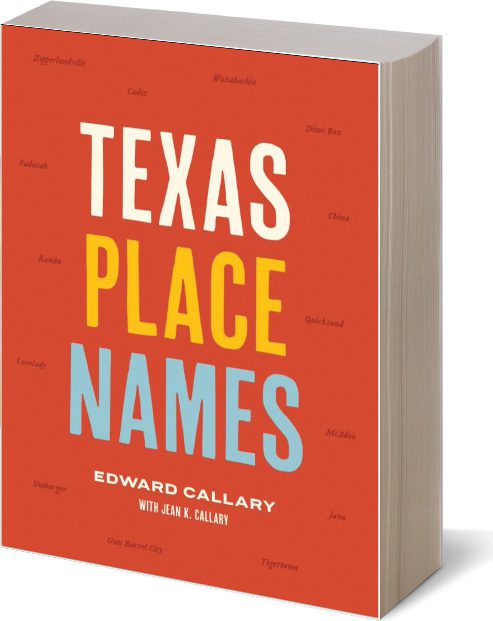
Edward Callary (’68 MA) is a professor emeritus at Northern Illinois University and Jean K. Callary is a writer and editor. The couple live in Austin, Texas, and have an apparent affinity for and take an obvious delight in the place names that dot the Lone Star State. In Texas Place Names (University of Texas Press, 2020) they divide the massive state into towns and counties, of which there are thousands, and list them alphabetically. There are 66 entries beginning with LA alone, including Lazbuddie (named after founding merchants Luther “Laz” Green and Andrew “Buddie” Sherley), which you might have driven through on your way East out of Clovis. It sits not far from Muleshoe, named — you guessed it — after a mule shoe a rancher found in early 1900 when he was considering names for his ranch. In these entertaining and informative (nearly 400) pages you can divine the origins of Ding Dong, Telephone and Bug Tussel as well as Grit, Uncertain, Frognot, Dimple and Dime Box.
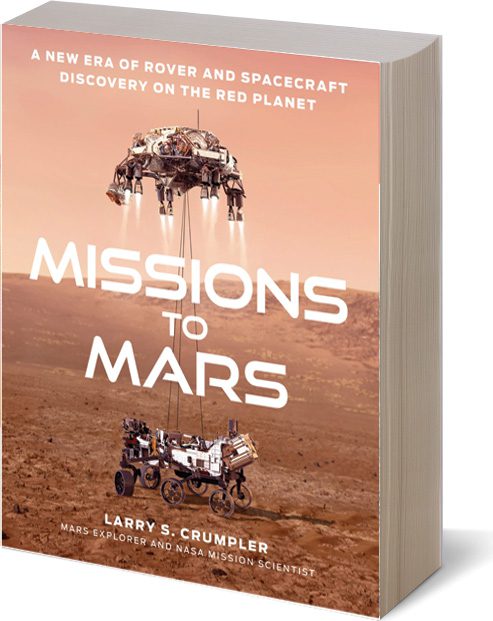
The name Larry S. Crumpler (’97 MS) is well known to anyone with an interest in Mars. The planetary geologist – research curator of Volcanology and Space Science at The New Mexico Museum of Natural History, as well as member of the NASA Mars Perseverance Rover mission team — is so connected to Mars that one geographical location on the red planet has been unofficially named Larry’s Lookout. So who else to write a hefty 300-plus page tome on the exploration of Mars? Missions to Mars (Harper Design, 2021) is chock full of maps and color photos and narrated as only Crumpler could, with intimate knowledge of the Opportunity, Spirit and Perseverance rover missions. “Mission to Mars” also serves as a professional autobiography of Crumpler, who began his life in the space age peering at the sky through a telescope in his backyard and honed his interest in space while he was a graduate student in UNM’s Department of Geology. Crumpler takes through the story of Mars exploration from his first job in 1976 helping to choose the landing site of the Viking 2 Lander to his place on the Perseverance mission in 2020.
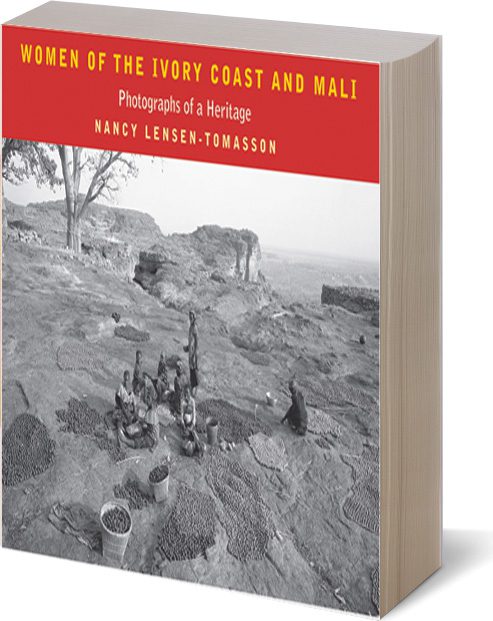
Nancy Lensen-Tomasson (’73 MA, ’78 MFA) was an associate professor of photography at Virginia Commonwealth University from 1979 to 1996. In 1989 she joined a group from the Parsons School of Design for five weeks of study in the Ivory Coast in West Africa. Her aim was to photograph women in their daily lives as she puts it, “revealing their communal, creative and spiritual contributions to their cultures.” In 1992, she joined a group from the Museum of African Art in New York for a stint in Mali, focusing on the cultures of the Bama, Bozo, Fulani and Gogan people. A lot has changed in Ivory Coast and Mali since then. Ivory Coast underwent civil war and Mali has undergone numerous military coups. Women cooking, dancing, tending yam fields, planting millet, weaving grass mats and firing pots fill the pages of Women of the Ivory Coast and Mali: Photographs of a Heritage (2021). In a foreword, Steve Yates, the founding curator of photography at the Museum of New Mexico, notes that the dozens of photographs collected in this book “stand as unique testimony now.”
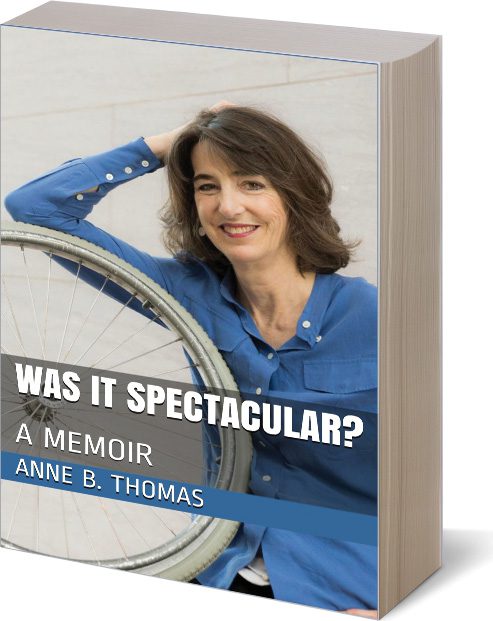
Anne B. Thomas (’80 BUS, ’83 JD) is 18 and just out of a long painful rehab for a broken spinal cord. Once again, she is in a doctor’s office for a complication from her injury, this time a urinary tract infection. The doctor looks at her file and says, “I think you need to seriously consider checking yourself into a nursing home.” It will prevent her from becoming a lifelong burden to her family, he says. Thomas is devastated and forms a steely resolve to prove him wrong. Paralyzed in a car accident in Spain in 1976, Thomas enrolls at UNM at 20 and begins to live an independent life that will take her to Washington, D.C., to work for the Equal Opportunity Commission and the World Bank. In Was it Spectacular? (Allison M. Yabroff, 2020), Thomas, who died in 2019, recounts her struggles and triumphs. In 1990, she returned to UNM and served as director of the Office of Equal Opportunity. “Ever since the accident,” Thomas writes, “I’ve listened to that voice inside me that guides me, urges me on, encourages me to try. There is no regret. The accident forged me, toughened me, drove me to achieve, to prove my worth. It’s been a good ride.” Proceeds of the book go to the Anne B. Thomas No Bounds Scholarship at the UNM Foundation.
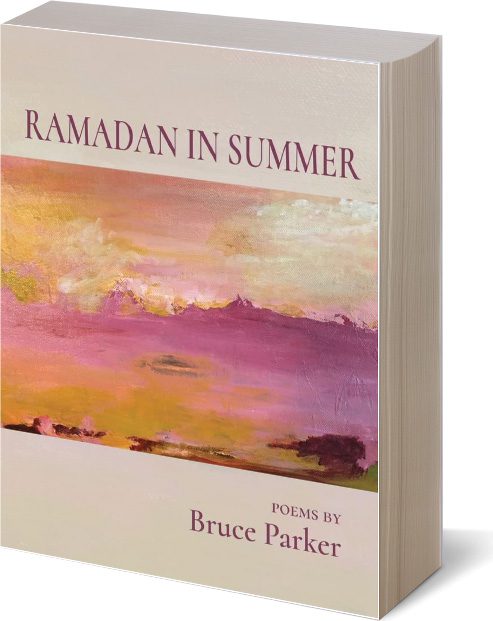
Bruce Parker (’81 MA) has collected two dozen poems in Ramadan in Summer (Finishing Line Press, 2022). Parker, worked abroad with the State Department, and his title poem explores the push and pull of fasting during Ramadan in Islamabad where he worked. In other poems, he explores the transitions and impermanence of life. “A Blameless Life” is short and elegant: “I sit/and nap/ in the hot sun, /still until/ my dream dries up, then/ go inside. Indoors I wake,/dodge the smother of sleep,/put it off./Call me into the shade,/mine a blameless/ life when my acts/are forgotten, this age/not held against me.”
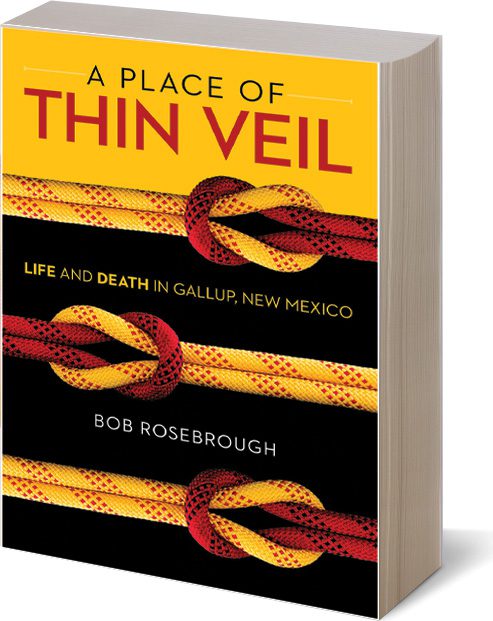
Bob Rosebrough (’75 BA, ’78 JD) describes his adopted hometown of Gallup, N.M., as simultaneously wonderful and terrible. Raised in Farmington, another border town, but more segregated between whites and Navajos, Rosebrough strikes out for Gallup after he graduates from law school, eager to make his way in an entirely different milieu. In A Place of Thin Veil (Rio Nuevo Publishers, 2022), which is as much Gallup’s memoir as Rosebrough’s, the lawyer who will become mayor recounts the western outpost’s history, demography and geography as he writes about his own life’s path. Key to Rosebrough’s understanding of Gallup are some seminal events: in 1973 when Larry Casuse, a Navajo UNM student, kidnapped Gallup’s mayor hostage at gunpoint in City Hall and then was shot to death; in the 1980s when Gallup’s problems with alcohol gain nationwide attention; and during Rosebrough’s terms as mayor as he works for alcohol reform. “I find myself thinking that while some of the terrible side of Gallup is obvious to most,” Rosebrough writes, “the wonderful side is equally real, even though it’s less apparent to the outsiders.”
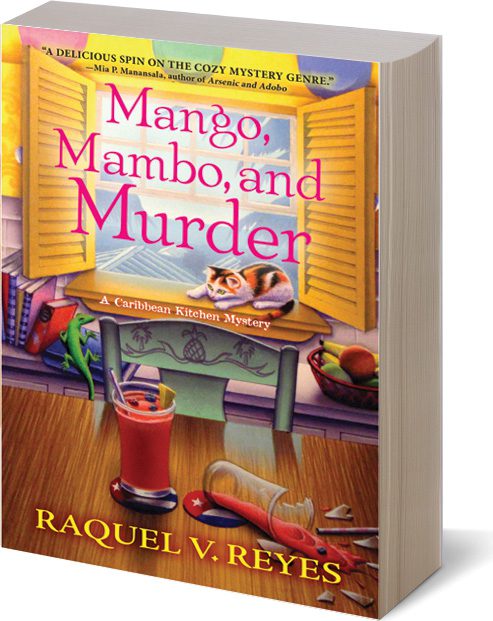
Miriam Quinones Smith, a dissertation away from a PhD in anthropology from New York University, is adrift in Miami, the hometown of her husband. Staying home with her toddler and trying to assimilate into the Miami social scene, she is drawn into intrigue when a country club luncheon ends with a tablemate dead, face-down in her banquet chicken salad. Mango, Mamba, and Murder (Crooked Lane, 2021), the first outing of Raquel V. Reyes (’92 BAFA) moves quickly and brightly, with Spanish sprinkled generously and warm repartee between Quinones Smith and her best friend from childhood, Alma Diaz, a fellow Cubana. When Alma gets arrested for the socialite’s death, the mystery swings into stride.
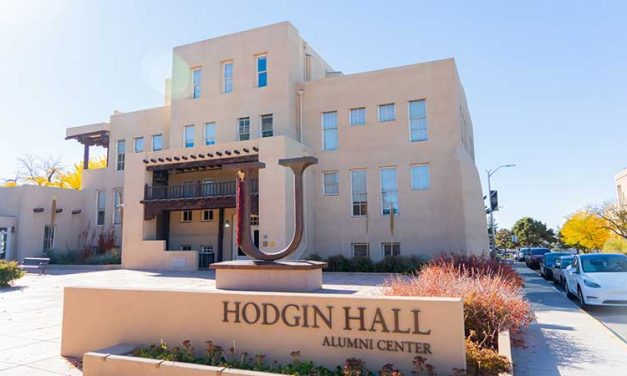
We would like to add your book to the alumni library in Hodgin Hall and consider it for a review in Shelf Life.
Please send an autographed copy to:
Shelf Life, UNM Alumni Relations
1 UNM, MSC01-1160, Albuquerque, NM 87131
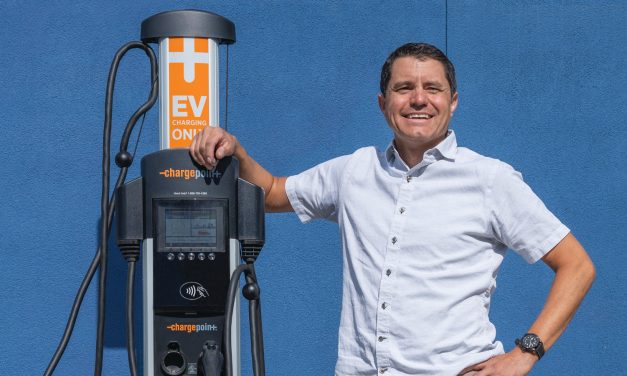
UNM grad helps spark electric vehicle revolution…
Read More
Opera singer pivots to performance coaching…
Read More
Alumnus caps computing career with prestigious prize…
Read More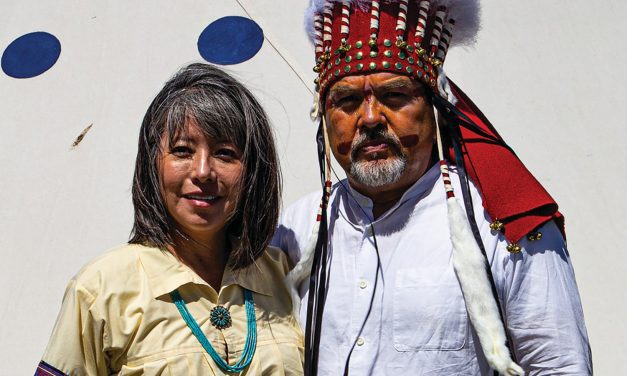
Alumna heads up museum devoted to the American Indian experience…
Read More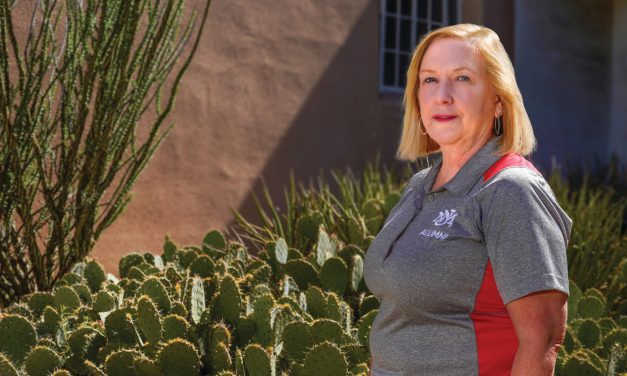
Alumni board president keeps UNM ties tight…
Read More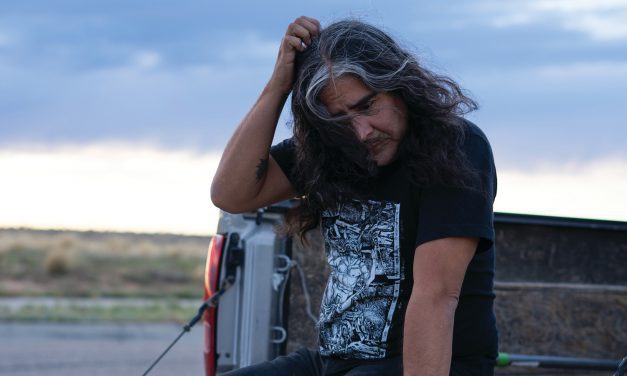
Alumni take home a Grammy and a Pulitzer for music…
Read More
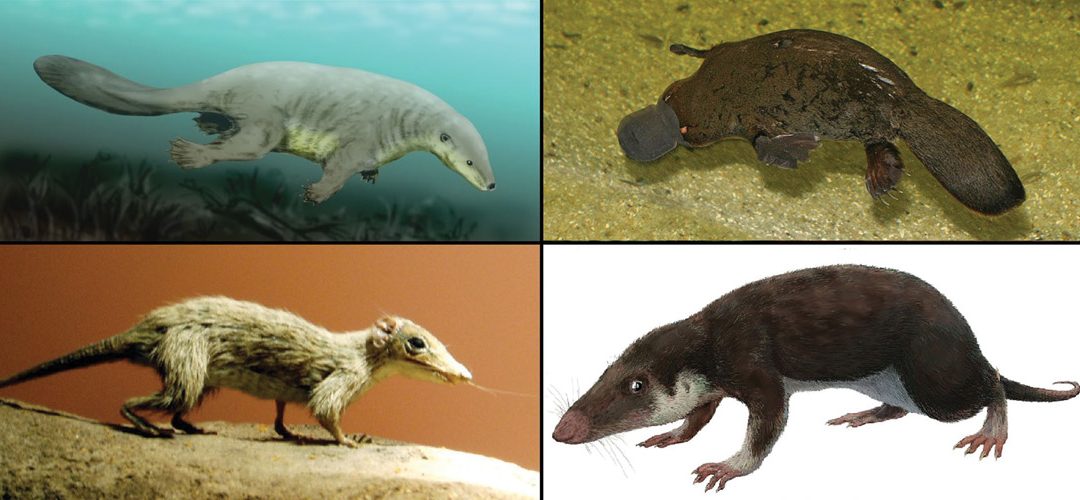
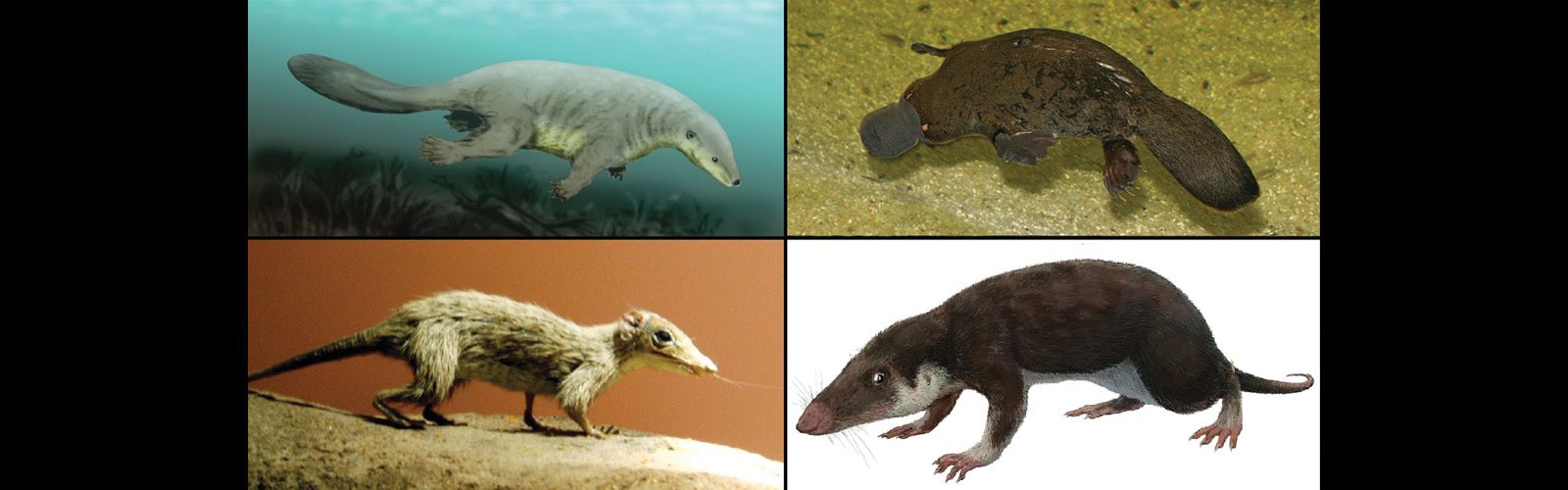
Mammals have the largest brains in relation to body size among vertebrates, but which came first? New research that examined the assumption that enlarging brains led to larger body sizes in mammalian evolution found instead that body size was the first to increase, followed by bigger brains.
UNM Biology Prof. Felisa Smith, an expert on body size evolution and president-elect of the American Society of Mammalogists, was asked by the prestigious journal Science to interpret the new findings, which looked at the explosion of mammalian diversification after dinosaurs went extinct.
“But did brain size also increase proportionately? The study, it turns out, showed that it didn’t,” Smith said. “Essentially mammals got bigger and ‘dumber’ first. Once these body size niches were all full, then there was strong selection on brain size and mammal brain size increased.”
Why?
“Brains are energetically expensive, which means that if you had two animals of the same size, the one with the larger brain would require much more energy (food) to survive. Because energy is often limiting for animals, this means that other activities, and especially reproduction, are scaled down. Indeed, animals with relatively larger brains for their bodies have lower reproductive rates,” Smith said.
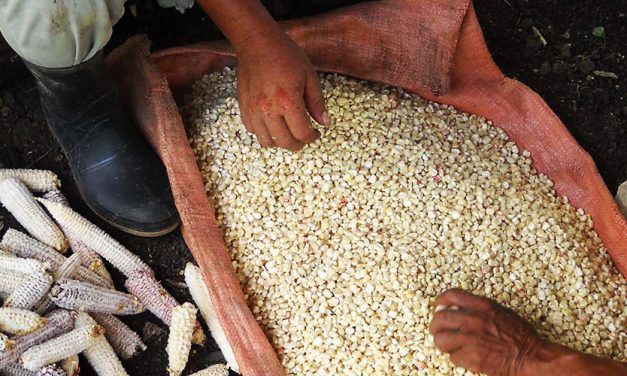
UNM archaeologist and Prof. Keith Prufer co-led a team excavating a site in Belize...


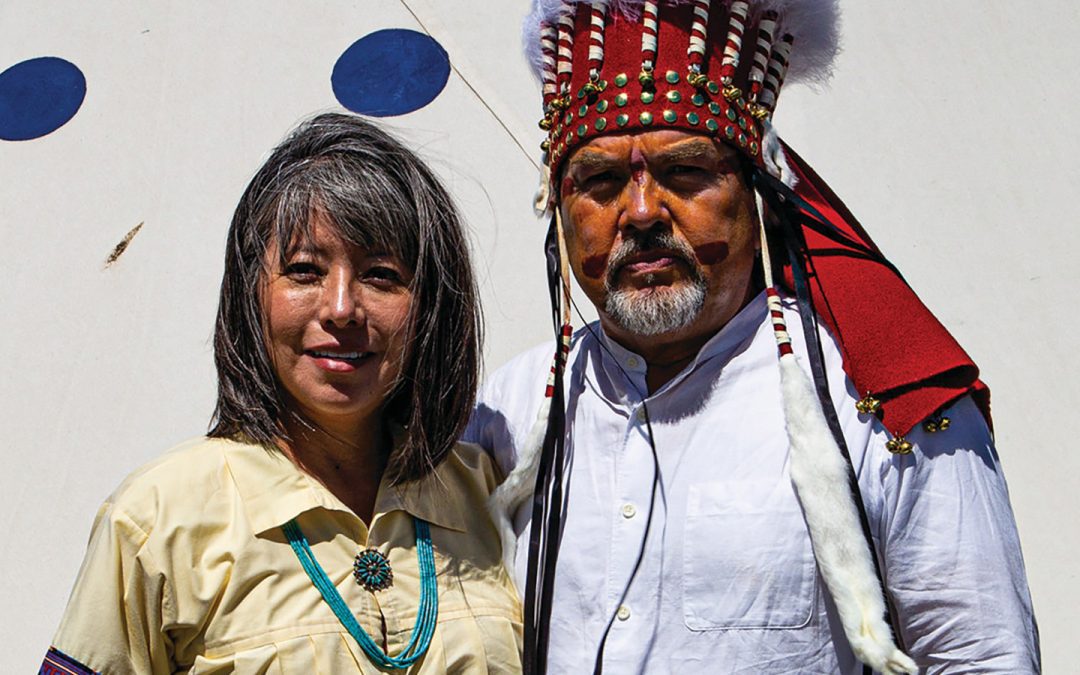
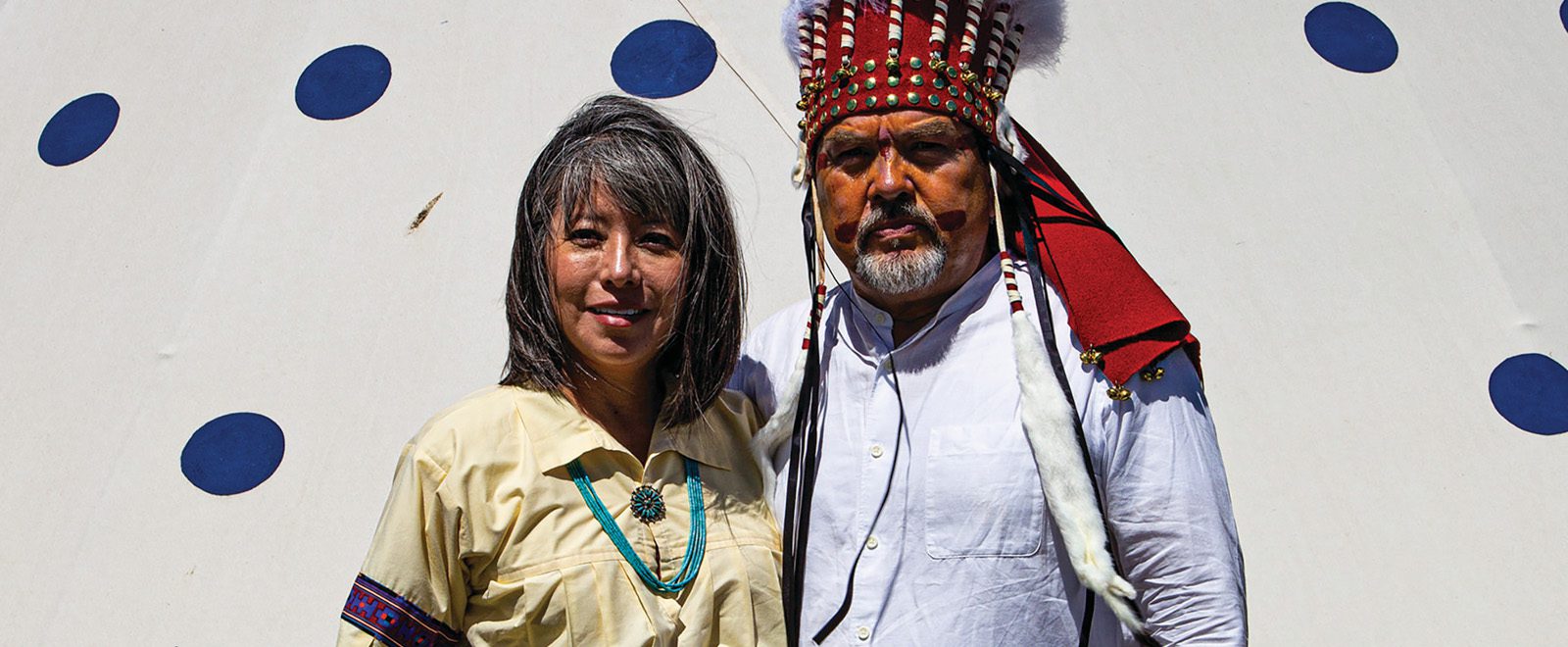
Photo: Walter Lamar
by Mirage Staff
Cynthia Chavez Lamar (’01 PhD), the new director of the Smithsonian Institution’s National Museum of the American Indian, was born in Dallas, where her family was living under the Bureau of Indian Affairs’ Voluntary Relocation Program. While her father trained as an architectural draftsman, the young family missed home — San Felipe Pueblo along the Rio Grande in New Mexico. The Chavez family — father Richard of San Felipe, mother Sharon who is Hopi, Navajo and Tewa, and three children — put their roots back down in San Felipe, where Cynthia excelled in school, graduated as valedictorian of Bernalillo High School and went on to study art at Colorado College.
Her grounding in Pueblo culture and tradition help to guide her in her new role as the first Native American woman to lead the National Museum of the American Indian’s museum system. And she credits her PhD in American Studies from UNM in 2001 with helping her to learn the importance of collaboration with tribes in curating museum exhibitions.
Mirage talked to Chavez Lamar about the National Museum of the American Indian, her time at UNM and best practices for getting New Mexico chile and salsa back to D.C. in her luggage. The interview has been edited for length and clarity.
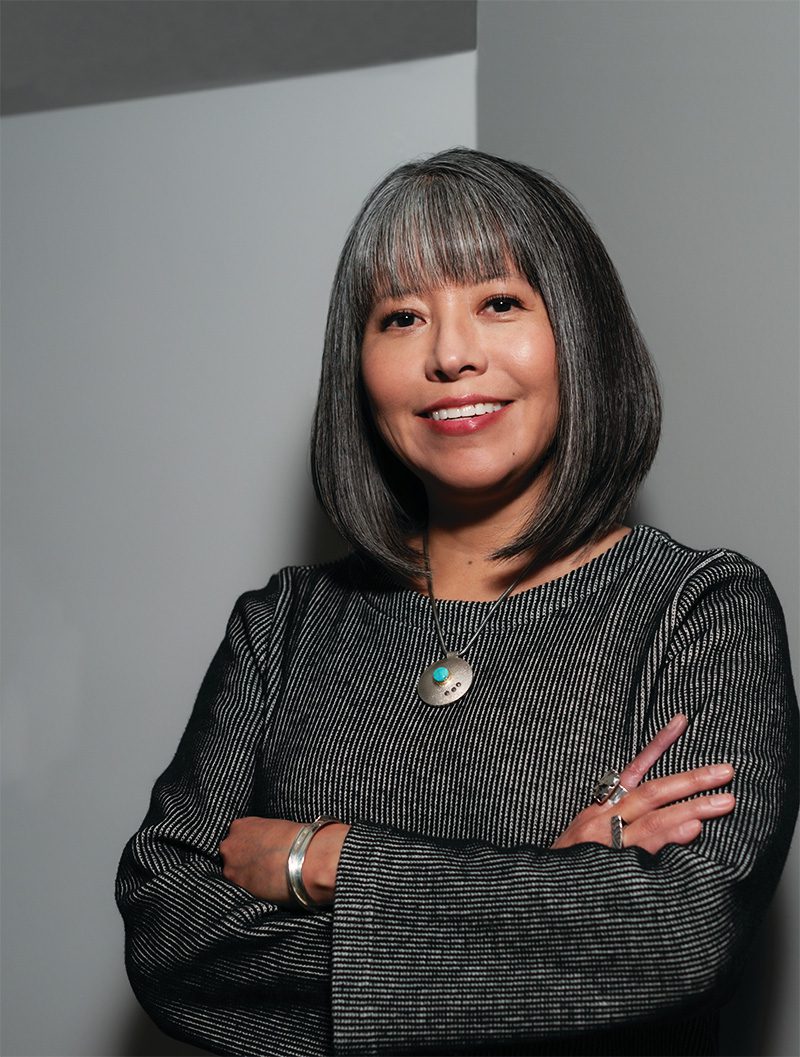
Cynthia Chavez Lamar
Mirage: Tell me about your childhood.
Cynthia Chavez Lamar: I grew up in San Felipe and went to school there too, so it was really an important part of my upbringing, being in the community and being part of the community. That really forms a strong basis for my identity. My dad made heishi (beads) and is also a self-taught jeweler. He has become a master of lapidary work. Both of my parents stressed education a lot and my mom, since we were very little, used to read to us every night. We grew up with a love of reading. I was a good student. I knew that it was important to my family and to my future that I do my best in school. So I tried really hard and did well.
Mirage: Then you went to Colorado College and majored in studio art. How did you find CC?
Cynthia Chavez Lamar: That’s a funny story. My dad being a jeweler, he participated in these exclusive small tours in the summers to see artists at home. So they would come to our house and my mom would have a great lunch for them and they would get to talk to my dad about his jewelry. In this one group there was a Dartmouth recruiter and he started talking to me about Dartmouth and was encouraging me to apply to Dartmouth. And I told him, “That’s too far from New Mexico; I really want to be closer to home.” And he said, “Well, I know this great small liberal arts college in Colorado called Colorado College. You might want to check it out.” I always tell people at Colorado College I was recruited to CC by a Dartmouth recruiter.
Mirage: And you majored in studio art?
Cynthia Chavez Lamar: Growing up around art and artists, it was a big part of my life and upbringing. My mom from her Hopi/Tewa side knew how to do traditional clay pottery, so she taught us to work with clay. I would make all kinds of different figures. When I went to college it just seemed like something that was just part of me and it seemed natural to go that route. At CC I did printmaking and photography. I enjoyed it, but I’ve always been a practical person, so I knew by my junior year that I wasn’t strong enough in any of those and I knew that if I was going to pursue the path of being an artist it certainly would be a struggle and it would take a long time. And I thought, “I’m really going to need a paying job,” so I decided to go to grad school. I had to think about, “What is it I’m interested in? I’m definitely interested in American Indian subject matter because of my background, because of who I am.” At the time there were only two master’s programs in American Indian studies, and I decided
to go to UCLA.
Mirage: What was your path into museum work?
Cynthia Chavez Lamar: When I was at UCLA I had the opportunity to work with a guest curator who was doing a show on Hopi kachina dolls for the UCLA Fowler Museum. That experience involved some fieldwork — a lot of research — and introduced me to the curatorial process and I really liked that. It allowed me to still be involved with Native art, it allowed me to use my intellect, it allowed me to explore new subjects. To me, it was a creative process in its own way. That’s when the bug bit me. And I thought I needed to get my PhD if I want to be a curator, so that’s why I ended up at UNM.
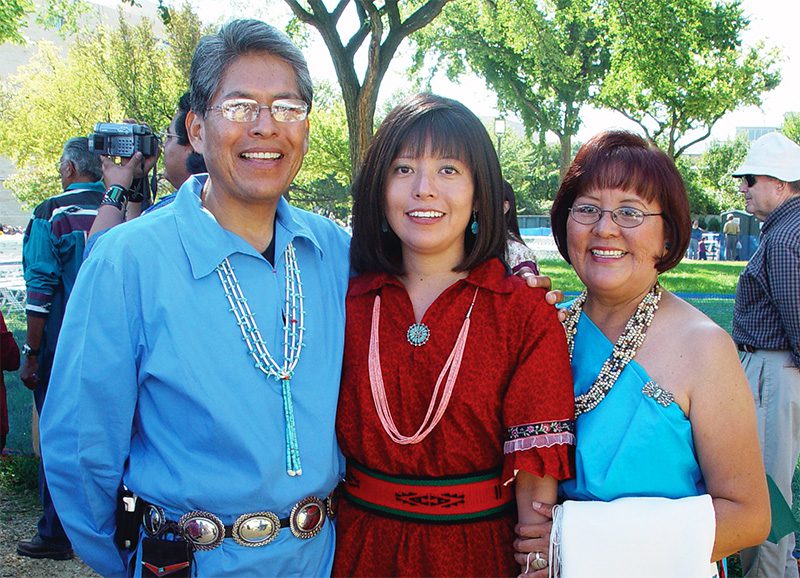
With her parents Richard and Sharon Chavez in 2004 during the grand opening of the National Museum of the American Indian.
Mirage: Was that about coming home? The strength of the program?
Cynthia Chavez Lamar: UNM had the only PhD program where you could specialize in Native American art history. And it also was about coming home. I had a bit of a hiccup on my master’s thesis because once my dad found out the topic I was working on, he said, “You can’t do that.” It was a cultural issue. When I was at UCLA, I started looking at issues around representation, especially when it comes to American Indian culture. Throughout history, sacred and ceremonial items have often been on display in museum exhibitions. I was looking carefully at that history and that was what my master’s thesis was going to be about. My dad’s concern was that at our pueblo, given your position in the community, there are only certain things that you should know or you should acknowledge you know. If you’re a woman, like me, and you’re not initiated into any societies or groups and don’t live in the community, you’re probably a person who is considered to have very little knowledge of certain things.
By looking at the display of sacred and ceremonial items in exhibitions, I think he was concerned that I would start getting into the details of what those things were, and as a Pueblo person you always have to be mindful that what you do outside your community can impact your family. That really put me into personal turmoil, because I questioned who I was as a San Felipe Pueblo person. I thought, “Have I really forgotten who I am?” It was kind of traumatic, honestly. But professionally it made me think about how can I still address this as an issue, because it is an issue. We need to let museums and non-Native people know that to have sacred and ceremonial items on display is problematic. With my PhD I looked at the history of anthropology and how in the past anthropologists were always digging and trying to get information out of Pueblo people about secret or sacred information and what that resulted in. That was my way to address something that I thought was important to address but stay true to who I am as a Pueblo person.
Mirage: At UNM were there any particular mentors?
Cynthia Chavez Lamar: The person that had the most impact on me was Dr. Mari Lyn Salvador, who is no longer with us. She was in the Anthropology Department and her scholarly practice was one that centered on collaboration. That’s really when I got introduced to the idea that in curating an exhibition, you can collaborate with artists and with Indigenous community members.
Mirage: That brings me to the question of your museum now and importance of collaboration with the communities who you are putting on display. Your museum feels different from other museums. Can you explain that?
Cynthia Chavez Lamar: The museum’s origins were really based on collaboration and advocacy from Native Indigenous peoples. A lot of collaboration was done with Indigenous people to establish exhibitions, to develop the architectural concepts of the museum on the Mall and the Cultural Resources Center in Suitland, Md. The museum’s origins are based on Native Indigenous values and beliefs and concepts. That’s like our foundation that sustains us. That spirit is there and it will never go away, because that’s how NMAI was born.
Mirage: It’s a big responsibility. How are you feeling about the job?
Cynthia Chavez Lamar: It’s definitely a lot of responsibility, but it’s also something I know I don’t have to do alone. Thankfully there’s a tremendous staff in place and they’re the ones that make the museum operate on a day-to-day basis. So I have a tremendous amount of gratitude for them and the work that they do. I think it’s going to take me about a year to sort of settle and to feel like I have both feet on the ground. I’m still in the stage of learning something new every day. We’re strong now. But I think my challenge is trying to find that time to think about some bigger initiatives that the museum needs to take on to become even stronger.
Mirage: When you have challenges, what is your support system?
Cynthia Chavez Lamar: For me, family is really important. I have a great husband, (former BIA law enforcement deputy director) Walter Lamar. He’s a tremendous person in Indian Country. And thankfully I still have both my parents. They’re always there for me. And my brother and my sister are also there for me. I do rely on family to help me get through challenging times.
Mirage: How often do you get back to New Mexico?
Cynthia Chavez Lamar: Before the pandemic I’d get back four to six times a year — work and personal visits. I’m hoping as travel is opening up and I’m getting more comfortable traveling again that I’ll be able to get back to New Mexico at least that much again. I was actually just there for our May 1 feast day. We had it after two years of not having it. We were all very excited but also a little bit nervous. It went well and it wasn’t crazy busy, so I actually had time to sit for a bit and watch the dances. One of the things that I’ve really missed over the course of the pandemic was hearing the songs and seeing the dances. You don’t realize how much you miss something until it’s not there. That was really comforting to me and much needed.
Mirage: What food is the Chavez home famous for on feast days?
Cynthia Chavez Lamar: There’s two things that people always ask us to make and it’s spinach casserole, which is interesting, and cheesecake.
Mirage: How do you get New Mexico food in D.C.?
Cynthia Chavez Lamar: I get things through the mail sometimes. My mom overnights me some things. And when I go home, I usually pack my suitcase. Now at the Albuquerque airport they sell the frozen red and green Bueno post-security, so I’ll sometimes bring a small cooler with me and fill it up and bring it home. I had lunch with Deb Haaland (U.S. Secretary of the Interior and fellow UNM alumna) about a month ago and I wanted to bring her something so my gift to her was a jar of Sadie’s Not As Hot salsa.
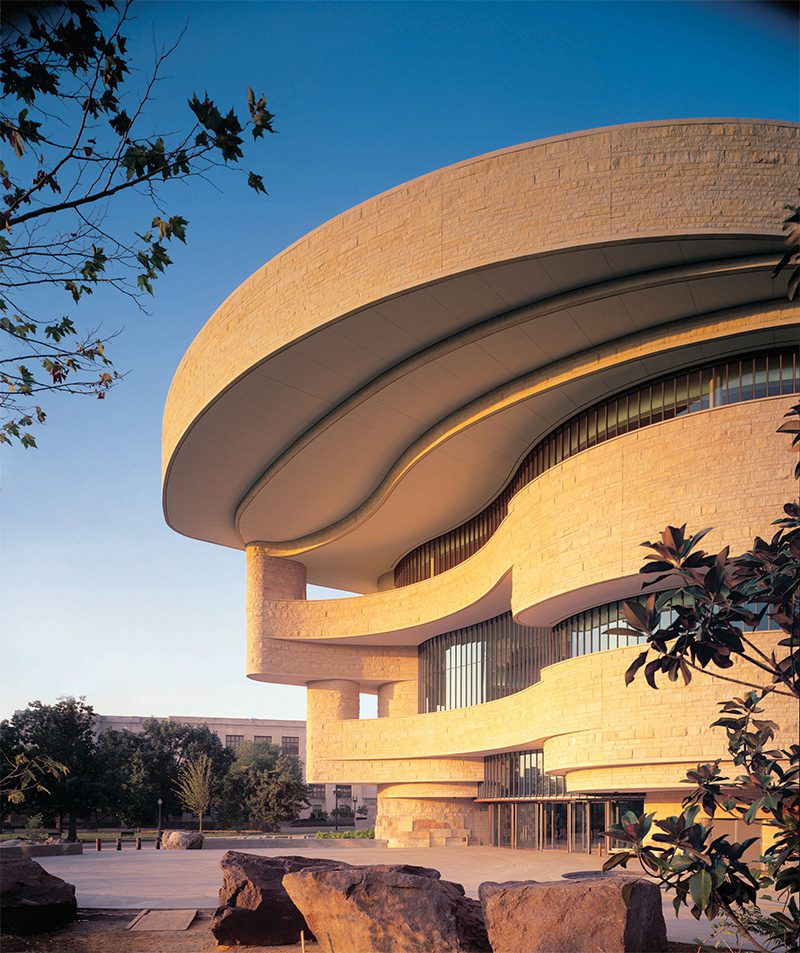
The National Museum of the American Indian on the National Mall in Washington, D.C.
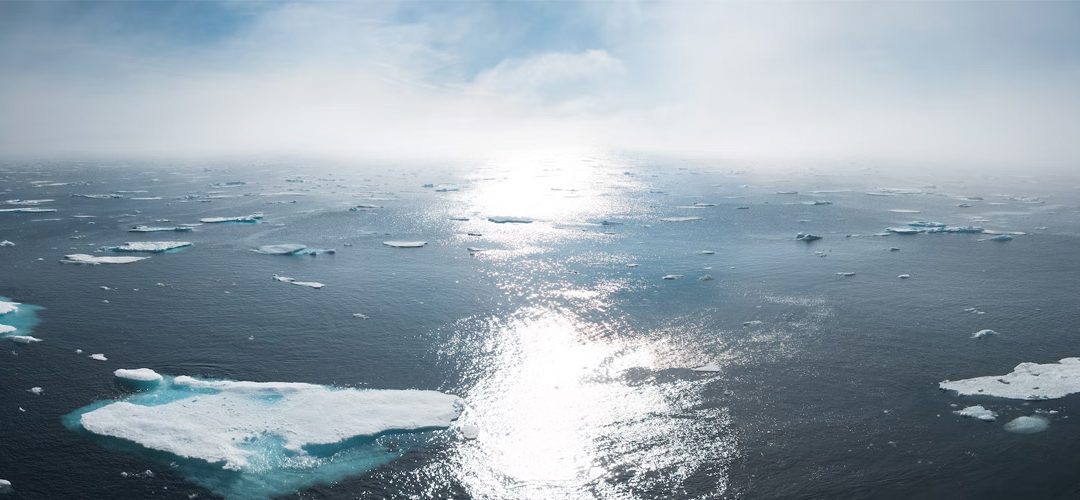
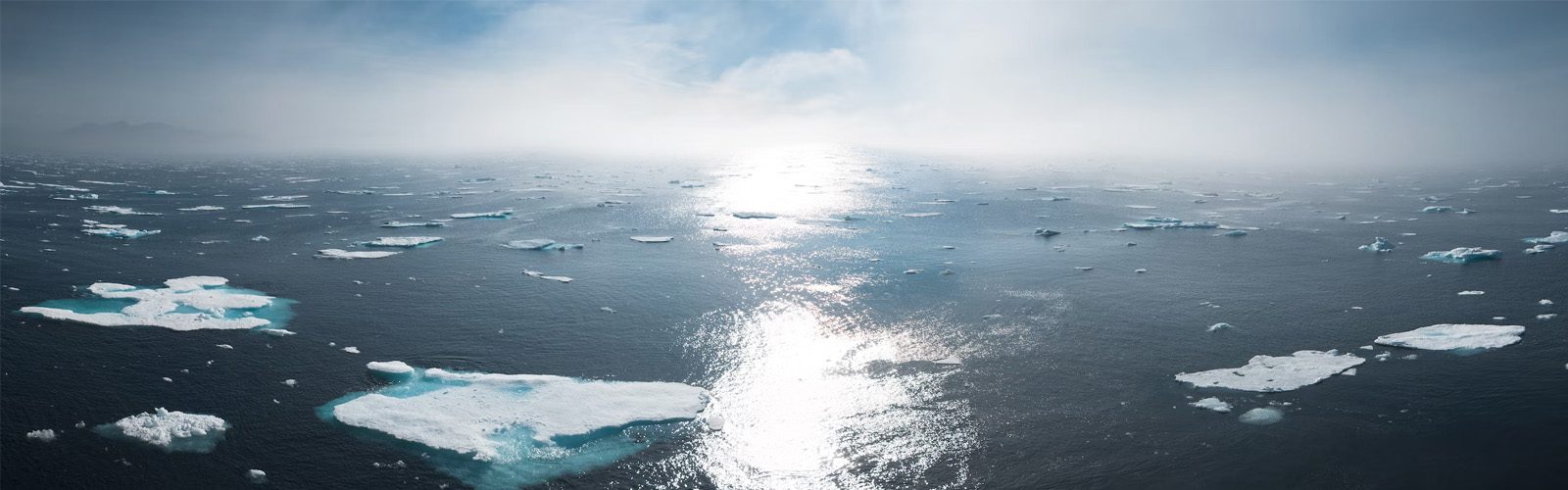
Taking a novel approach to understanding climate change, Paul Hooper, adjunct associate professor of Anthropology, dived into existing data sets that contain historical information about societies, including measures of complexity in language, government and economies. He reanalyzed that information to look at how societies fared during cooling periods.
“I found that societies were substantially less complex during the coldest centuries of these climate events. For societies in northern regions, cooling was associated with a loss of about 300 years of accumulated social complexity,” Hooper said. “The research shows that the success of civilizations depends on favorable climatic conditions.”
While Hooper focuses on cooling, not warming, his analysis published in Cliodynamics: The Journal of Quantitative History and Cultural Evolution illuminates yet another potential disruption of changing climate.
“Societies based on agriculture, like our own, are productive within a surprisingly narrow range of climatic conditions,” Hooper said. “Too cold, too hot, or too little water, and productivity suffers. Complex societies have never faced the climate conditions that are now on the horizon, and they’re going to be a shock to our social and economic systems. In addition to higher temperature, precipitation will also be key. While some areas will dry up, others will receive more water due to higher rates of evaporation from the oceans.”
UNM archaeologist and Prof. Keith Prufer co-led a team excavating a site in Belize...
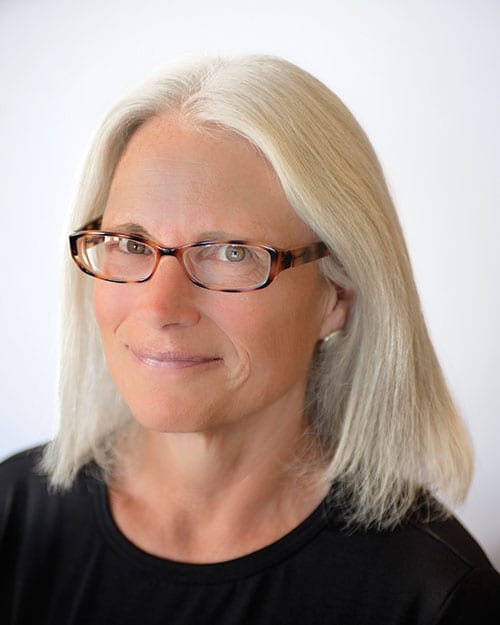
While the Lottery Scholarship is aimed at recent high school graduates, the Opportunity Scholarship is intended to help returning students or older adults who didn’t make it college after high school graduation and those who attend part-time.
UNM adds to the mix the Lobo First-Year Promise, which supports first-year students whose family income is $50,000 or less with full tuition and fees.
As anyone who has tallied up a grocery bill or filled their gas tank or tried to buy a house or rent an apartment lately can appreciate, these assistance programs can change the game for New Mexicans trying to take the step to a better future through a bachelor’s or associates degree or a specialized certificate in this blisteringly hot economy.
The importance of access to higher learning for everyone might come into clearer focus as you read the alumni profiles in this issue of Mirage. It certainly did for me as I put this issue together. There are millions of Americans and plenty of New Mexicans who live productive, interesting and meaningful lives without ever having taken a seat in a college classroom. But for many others, their first steps toward greatness happen on the way to a degree.
I’m thinking of Jack Dongarra, an Italian kid from Chicago whose parents never finished high school. He had dyslexia but he was pretty good at math so he went to college as a math major. Many years and a PhD from UNM later, Dongarra just won the $1 million Turing Award, considered the Nobel of computer science.
I’m thinking of professional mountain biker Doug Campbell, who decided to get serious at 26 and enrolled in UNM’s College of Engineering without much thought about what he wanted to do with his life. Today he’s CEO of a company producing a smaller, cheaper alternative to traditional lithium-ion electric car batteries. If you buy a Ford or BMW EV five years from, money is on Campbell’s battery cell powering your ride.
I’m thinking of UNM music major Raven Chacon from Ft. Defiance, Ariz., whose unique tonal compositions were just recognized with the Pulitzer Prize for music. And of Cynthia Chavez Lamar, whose PhD at UNM in American Studies helped focus her thoughts on collaboration between museums and Indigenous communities and who now heads the Smithsonian Institution’s National Museum of the American Indian.
I could go on — we have a remarkably strong lineup of alumni in this issue.
But I think you’ll want to read about them yourselves.
And who knows which student taking a first class this Fall, thanks to the promise of free tuition, might be the next UNM grad to make the big discovery or reach the top of their field?
Leslie Linthicum
MirageEditor@unm.edu
FROM THE EXECUTIVE DIRECTOR, UNM ALUMNI ASSOCIATIONJul 13, 2026 | Alumni Executive Director...
Recent Comments